Dr. Amanda Gummer on Children’s Digital Wellbeing Framework (CDWF): A practical route to better-designed digital experiences for children
by Amanda Gummer | 24 Feb 2026
The Bloom Report

Children’s digital lives are no longer a side-issue. Games, apps, platforms and connected toys are where children learn, play, socialise and explore identity, often long before adults have a clear line of sight on what “good” looks like.
For years, the conversation has swung between two unhelpful poles: panic (“ban it”) or permission (“it’s the future”). What families, educators and responsible creators need is a third thing: a credible, practical framework for building and recognising digital experiences that support children’s wellbeing.
That is why we’re developing the Children’s Digital Wellbeing Framework (CDWF); a cross-sector, evidence-informed approach to defining what responsible, child-centred digital design looks like. Going beyond safe-guarding, the CDWF is designed to help companies design products and digital experiences that actively promote children’s wellbeing, develop their resilience, and help them thrive in a digital world.
What is the CDWF?
The CDWF is a structured set of criteria and assessment tools designed to do three things at once:
- Enable parents and carers to trust that accredited digital experiences are responsibly designed for children’s wellbeing.
- Drive better industry design decisions not merely reward compliance.
- Support regulatory preparedness, without acting as a regulator.
Just as importantly, the CDWF is built with clear boundaries. The criteria:
- Do not claim to measure or guarantee mental health outcomes.
- Do not assume any product works universally for all children.
- Do not allow “benefit in one area” to offset “harm in another.”
- Do not rely on a single type of evidence.
- Do not assume one cultural, national, or regulatory context.
How accreditation works: baseline first, then maturity
The CDWF uses a layered model.
1) Baseline (Pass/Fail)
Baseline criteria are non-negotiable. They cover essentials such as: - Safety - Data protection, and inappropriate content. Red lines for manipulative or exploitative design.
If a product fails baseline, it will not progress further in the accreditation process, and strengths elsewhere cannot compensate.
2) Developmental maturity (Good / Better / Best)
Once baseline is met, tiered criteria recognise meaningful differences in design maturity. The goal is to reward products and teams that move beyond minimum compliance toward:
- deeper wellbeing-supportive design
- mature organisational practices
- real responsiveness to child voice
- sophisticated safeguards and self-regulation
Three accreditation tracks: product, individual and organisation
Digital wellbeing isn’t only about features. It is also about how teams make decisions.
The CDWF therefore separates criteria into three tracks:
- Track A: Product / Experience: criteria assess a specific product/environment, a defined age band, and a stated version/feature set.
- Track B: Individual: criteria assess an individual’s approach, track record and credibility
- Track C Organisation / Team capability: criteria assess governance, decision-making, review/iteration practices, and maturity of child involvement.
This allows us to recognise great products and also to identify individuals and organisations that have responsible, accountable, child-centred approaches.
How the framework is being developed
The CDWF is being built through working groups and advisory panels spanning games and interactive entertainment, TV/video/streaming, immersive media (AR/VR), publishing and EdTech, connected toys, social platforms, and scientific/ethics expertise.
You can find more details on the CDWF and who is involved here: https://fundamentallychildren.com/childrens-digital-wellbeing-framework/
Children deserve digital experiences that are not just engaging, but responsibly designed — with safeguards that respect children’s developmental needs and real-world differences.
The Children’s Digital Wellbeing Framework is our attempt to create something the field has been missing: a credible, parent-intelligible, industry-usable standard that pushes design quality upwards — without over-claiming and without turning into a regulator.
If you’d like to explore whether your organisation should help shape the framework, I’d love to have that conversation. Contact me on amanda@fundamentallychildren.com
— Dr. Amanda Gummer
Recent Blogs




Recent Blogs

The Bloom Report
From Jabba’s Sail Barge to Mos Eisley: How HasLab Made the Impossible Possible

The Bloom Report
Steve Rad on TikTok Shop, Social Commerce and the Next Big Opportunity for the Toy Industry at the Chicago Toy and Game Fair!

General
Toys R Us is Back

The Bloom Report
David Becker and Dr. Amanda Gummer Talk Building Trust, Creating Demand and Helping Children's Brands Grow

Press Release
Plus-Plus USA Returns to the Chicago Toy & Game Fair, Bringing Hands - On Creative Play to Holiday Shoppers
See more
Recent Wiki
BOOK REVIEWS
Book Review: No Experience Necessary: Why Betting on Yourself in Your Twenties Is the Best Decision You’ll Ever Make by Ronnen Harary

PEOPLE
Chris Byrne Chats About His New Book "How To Cremate A Parakeet"

COMMENTARY AND OPINION EDITORIALS
The Toy Association & UIA’s Toy Hub Bring Toy & Game Inventors Together in LA

COMPANIES
“CARVE-X” MAKES LANDMARK MOVE TO THE JAVITS CENTER FOR TOY FAIR 2027
PITCHES: PRODUCT CONCEPTS FOR LICENSING & PRODUCTS FOR RETAIL
People of Play™ Announces Speaker Lineup for 2026 Global Inventor Pitch & Innovation Conference
See more
POP's Got Talent

POP Entertainment
Randy Klimpert Shares his Ukulele Collection
POP Entertainment
Steve Casino Peanut Art
POP Entertainment
Everyone's Talking about POP!

POP Entertainment
Princess Etch - a Multi-Talented Etch A Sketch Artist
POP Entertainment
Joseph Herscher of Joseph' s Machines.
See more
Recent POPcast

Hidden Role: The Brains Behind your Favorite Games
Brent Bushnell talks Two Bit Circus, VR, & STEAM (Part 1)

Hidden Role: The Brains Behind your Favorite Games
Tim Walsh Celebrates the 30th Anniversary of Blurt!
Hidden Role: The Brains Behind your Favorite Games
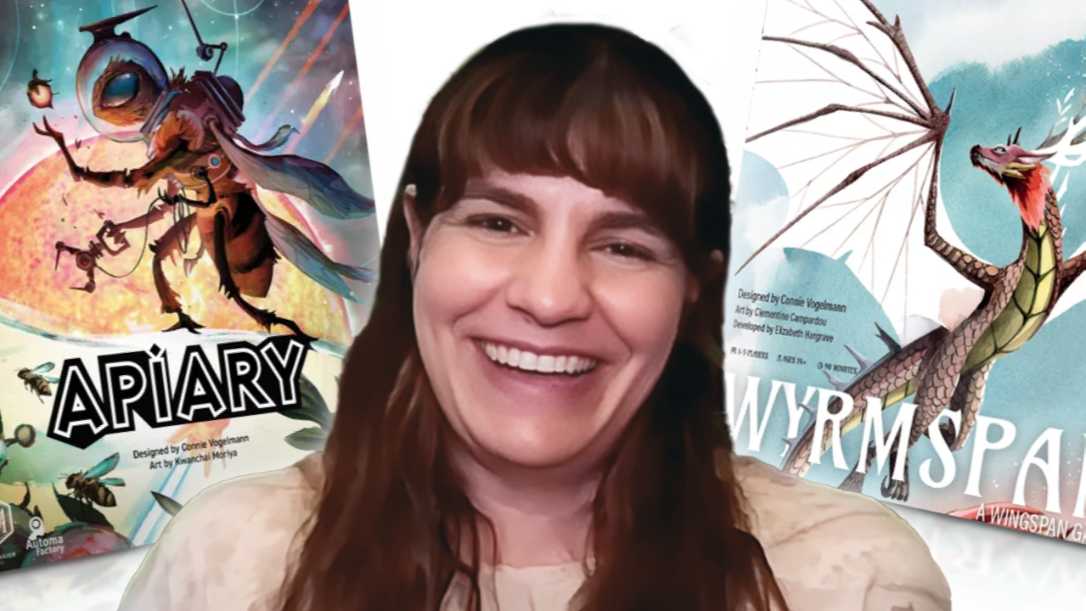
Connie Vogelmann designed Apiary & Wyrmspan!

Hidden Role: The Brains Behind your Favorite Games
Bob Fuhrer... Is THE Crocodile Dentist!

Hidden Role: The Brains Behind your Favorite Games
Tom Dusenberry... Bought Atari, Wizards of the Coast, and Avalon Hill!
See more
POPDuos

POPDuos: Interviews with Legends and Leaders
POPDuo: Richard Dickson, Mattel’s President & COO, and Kedar Narayan, Young Inventor Challenge AMB

POPDuos: Interviews with Legends and Leaders
POPDuo: Will Shortz and Josh Wardle

POPDuos: Legends and Leaders Explore Creativity
POP Duo: Elan Lee, Co-Founder, Exploding Kittens.and Jeff Probst, Host and Exec Producer, Survivor

POPDuos: Legends and Leaders Explore Creativity
POP Duo: David Fuhrer, MNG Director, Blue Sq Innovations & Shawn Green, past Dodgers & Mets MLB Star

POPDuos: Legends and Leaders Explore Creativity
POP Duo: Bob Fuhrer, Founder, Nextoy and Tom Fazio, Golf Course Designer
See more
Featured Articles

The Bloom Report
Toy Inventors--The Heart and Soul of the Industry
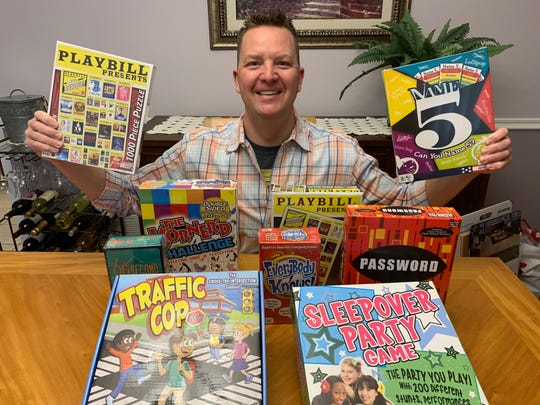
The Bloom Report
Brian Turtle: 'Endless' Stories, Advice, Kevin Bacon and More! tBR Person of the Week

Biographies and Interviews
Jonathan Levy on Jon2.0 - from Co-Founding Mastermind Toys to Spin Master
Biographies and Interviews
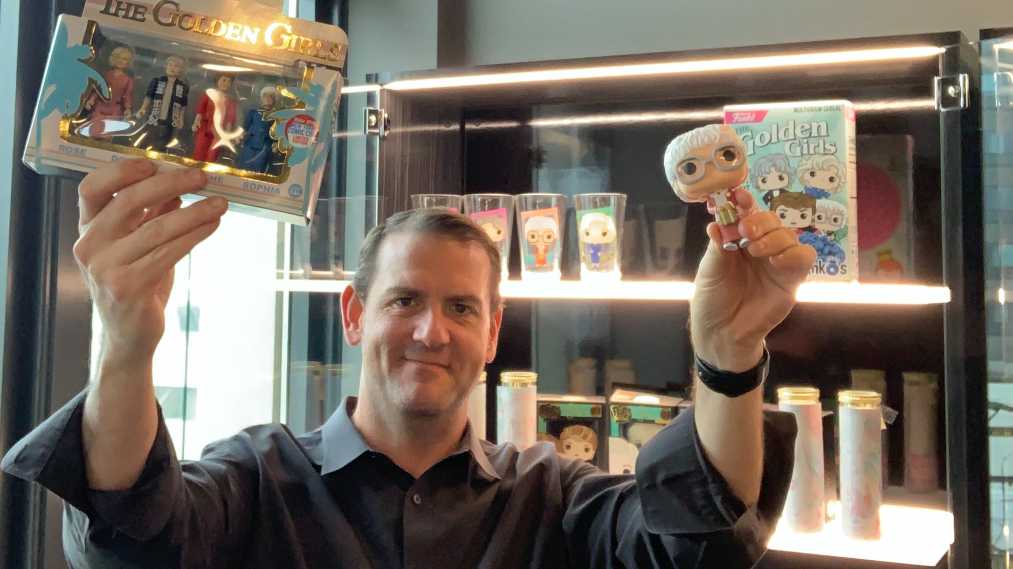
Andrew Perlmutter's Journey from Glencoe to Funko with Crazy Ideas that turned out Golden
See more