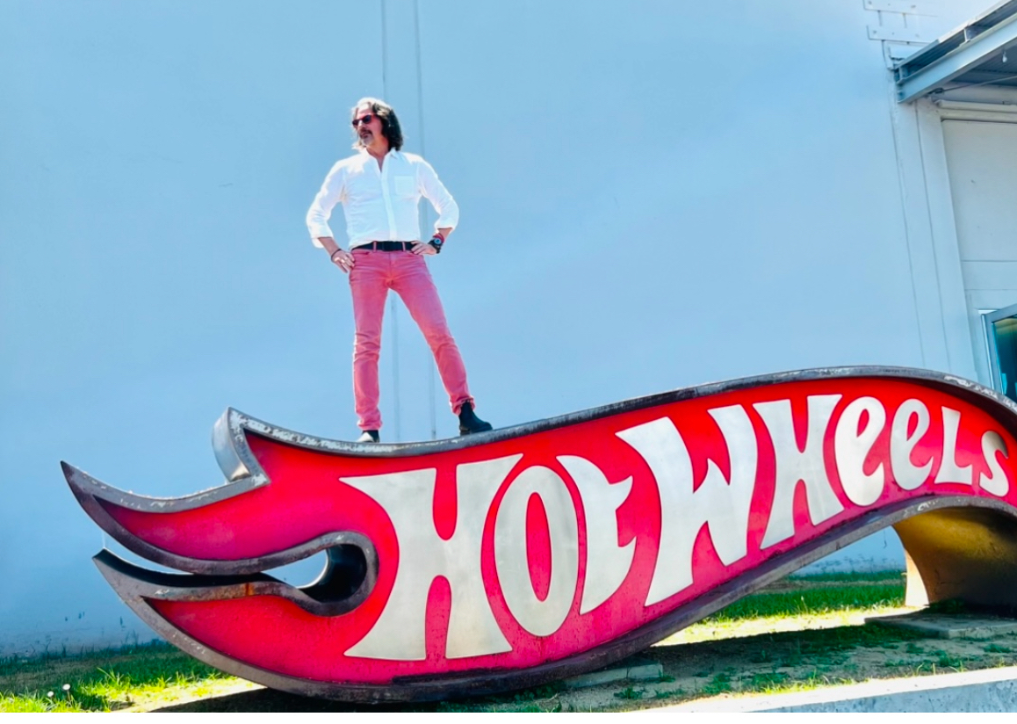
Author: Brendan Boyle, Stanford Design Professor, Founder of IDEO Play Lab, Toy Inventor, President of Modderman Porsche Ebay Division, Consultant on Design for Play Experiences
Today I was role playing a salesman. I had my bag of prototypes, and I was down at a big toy company in LA, and I was in sales mode. For me, sales mode is mostly joking, trying to keep things light and fun.. Some folks have different sales modes, I think, are more forcing, trying to sell it. I've never found that to work. Some folks are a little bit more angry and technical and claim that the toy company is ripping them off. I've found that's not important. Elliot Rudell, one of my best mentors and a famous toy inventor, told me, the goal of the meeting isn't to sell something. It should be to be invited back, because this is a long game. (I didn’t sell a Barbie item after pitching them for 15 years, then I invented and sold 4 Barbe Dream Campers in a row plus many other Barbie items. For every thousand prototypes I pitch, I might sell 10. So you have to be in a mode of enjoying what you're doing and getting invited back. And also, as much as you're talking, you should be listening, because there's valuable nuggets of feedback. Sure, sometimes it's useless feedback, and they don't get it, and they're just trying to help. But sometimes there's some feedback that says, oh, this would be right for this brand, or you should go see this company.
Wow. All right. Let's talk about what other roles I have, because being an inventor means you've played many, and that's role playing. So let's talk about construction play. This is part of my favorite part of the process. And I'll talk about some of the other parts that come before and after, or think of the invention process as a circle, always trying to improve. Prototyping is construction play, and kids under five have 40% of their day building construction play. You learn from it, and you knock it down. That's why I like wood blocks better than Legos. Legos are great, but wood blocks, you build it up, and you knock it down. One of my favorites is Kapla. I got my son when he was four, 200 Kapla blocks. By the time he was 14, he was still playing with them. We had 3,000 blocks in the house. He would build these giant structures and then domino them down and film them in slow motion. So for a prototype play, it's really about thinking with your hands. Sure, you'll have a sketch from your sketch storms, but you start to make it, and you start to learn. It is amazing. I did the first model. It was a sketch of mine on a Barbie stroller that telescoped, and once I made it, it telescoped twice as much as I thought it would, and it was so fun. It's been in the marketplace for about seven or eight years, and it holds two puppies. I had it holding three puppies, but cost reductions happened.
Prototyping Pictionary Air was fantastic because we didn't have the software built, but we could fake it. We could fake it on a video. A video is a powerful storytelling prototyping tool. So the idea was you hold a special Pictionary air wand (it’s a pen flashlight) and your partner holds their device 7 feet away while you try to draw something in the air, so fun, your drawing shows up on the device and you try to guess what it is. ! My goal with this invention was to do a simple connected toy. It’s done super well and is still selling after 10 years.
So the (fake) video told the whole story. Mattel loved it. One of my first toy inventions was the Arobie football, and I remember taking some hot melt glue and gluing it on the wings, and this football spiraled the most out of any football. Now the same year the Oddson football, came out, the Vortex, and they had John Elway, a Stanford quarterback, promoting it, and I think it cost me at least a car, maybe a house. Mine did well and sold for 25 years, which is cool, but The Vortex was so amazing (it flew the longest), and that invention was by David Fuhrer, who's a fantastic inventor, with his brother Bob, and their theory on inventing, is just showing up. Half the time it's just showing up for the meeting, showing up for the video, showing up for the toy fairs. Great advice. So prototyping is a wonderful thing. Some of the prototype tools I like are styrene, obviously 3D printing, just aluminum foil is a great prototyping tool. Legos are helpful in prototyping. So I have a bunch of prototype materials around the foam core, and hot melt glue is amazing. Rubber bands, all this is great for low tech prototyping.
All right, let's talk about some of the other roles. What is inspiration? Invention is a lot about making connections. I wrote a book with John Cassidy called The Klutz Book of Inventions, who's an amazing founder of Klutz. The book's theme is to have a brilliant idea. It has to be so close to be ridiculous, otherwise it's just a good idea. I remember when Uber first came out. I'd get in a stranger's car or Airbnb. I'd sleep in a stranger's room. Crazy, right? Know the history of your industry. I have over one hundred books about the toy industry, Inventor and author Tim Walsh, “Timeless Toys and WHAM-O Super book are both Excellent. Author and Toy inventor Bill Paxton wrote “Inside Marvin Glass’s Toy Vault is a must read for any inventor. So good!
The Wright brothers had the invention of the airplane. It took them two years to convince people it was real. So ideation is amazing. I mean, inspiration is amazing. What I do is get out in the world. I get out to the toy store. Sure, the web's good, but it's not tactile. It's not visceral. So I like to go to toy stores, hobby stores, or those five and dime stores that are amazing. I do watch a lot of TikTok as I get inspired by some of the crazy things they have on there. I love just getting out into the world. Twister Air, I was at a sports store, and they had one of those TV monitors where the fitness instructor's dancing. I thought, wow, that could be inspiring. You could dance while you're doing Twister Air, and if you play Twister Air for kids, it's a great exercise. Really great.
When we first showed it to Hasbro, they absolutely loved it! , we had to work 35 days straight over Christmas to get the real prototype working. How fascinating is that?
All right, so then I write everything down, write these inspirations down, and try to turn them into questions. How might we make a dance game? How might we make a toy that's for the airplane? Those are great questions. How, meaning it's possible. Might, meaning they're multiple. And we, it's usually a team. I'm working with a fabulous inventor I worked with 20 years ago named Gil O'Brien, and he thinks with his hands, and he inspires like crazy, and he's got a good hand. You want to be an inventor, learn how to draw. Not as super good as Gil, but just back of the napkin sketches will really help. Then the last sort of role I'd like to play is the inspiration role, or the idea guy. You know, people are confused. They think people are really creative, heads in the sky all the time, like, oh, I got tons of ideas. No, I don't think it's that. I think they know how to diverge a little bit longer. Neil Stevenson, a fabulous designer, led our Chicago office for a while, calling it the what's for dinner. You come home, talk to your partner, what's for dinner? Chicken, fish, pizza, let's have pizza. That's, you didn't diverge long. What if you diverged longer and you had 50 ideas for dinner? You'd probably have a more interesting diet or dinner. So, creative people know how to diverge longer. We all are excellent at converging. Think of how many decisions we have to make every day. So, if you can diverge a little bit longer, then converge, you're going to be more creative. So, I like that for ideation. I love brainstorming. The brainstorm rules, the only rule I add is sketch more. So, we do, when I brainstorm, you do one sketch per post-it, and it's got a sketch on it, maybe a headline. And the other trick for brainstorming, if you can get a group of three to five people together, do the how might we problem, create some lists. I love lists because it gets you in the flow, and then you can look for connections. And then it's heads down for five minutes, and everyone has to sketch up three to five ideas. That's really good for your introverts. They come up with a whole bunch of stuff. Then you post the ideas up. You don't say it's Brendan's idea. You just say, hey, this idea, and you number them. And then you start to cluster them and look for themes. And then the next step after that would be a sketch storm. We take the ideas we like and sketch them up a little bit more, so then we can go into tinker models or prototyping. So, being an inventor, in summary, is a lot of different roles, and you have to be comfortable with those roles.
And the other thing I would really say being an inventor is just being joyful, looking for delight. I see a lot of inventors as they get older, get crusty, because they got some more war stories. I see other inventors that still just stay joyful, like Dan Klitzner. He invented Bop It, and he's still having fun inventing. It's amazing. So, I would say look for joy and delight. Don't look for the money. Try to get invited back, have fun, and build a little workshop. Build a little workshop, if you can have one, or work for a bigger invention company. I founded the IDEO Play Lab, an invention company. I got to meet so many people and learn from them. Steve Moore now is at Tantrum Invention. Ryan Kratz, now working with Adam Skates at Just for Fun. Or Josh Finkel, now has his own toy invention company Any Thing At All in Florida. So, it's looking to be intentional around partners. That's the changing landscape of the toy invention landscape. It's not five big invention firms. Think more of the traveling Willsburys. It's a bunch of independent artists that sometimes work together, and sometimes work with others, depending on what you need. So, just have fun, and keep doing it, and look for the little tiny wins, and be resilient.
Go Play!
Recent Blogs


Recent Blogs

The Bloom Report
Brian Weiss: Goliath Takes Action Against Counterfeit Clickeez
General
Katherine Kaiser: The World Of Test Modes and Revision Numbers In Bop It
The Bloom Report
Liam O'Malley Talks Working on the Bloom Report, Collecting Toys, and Innovation in the Toy Industry
The Bloom Report
Anthony Elder Talks Building Stimeez, The Design Process, and Making Toys That Address Kids' Needs
Press Release
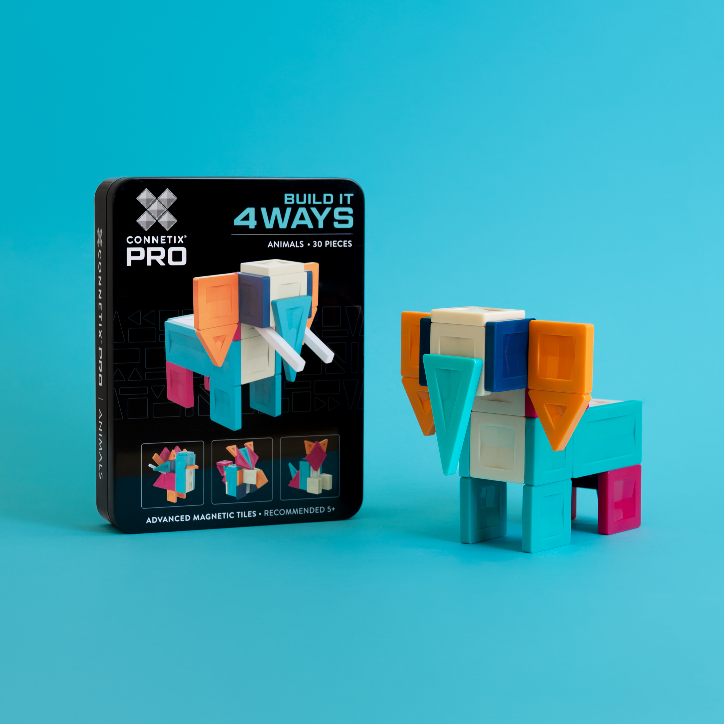
CONNETIX Launches New PRO Build It 4 Ways Packs Inspiring Older Builders through Advanced Play
See more
Recent Wiki
BOOK REVIEWS
Game Review: Yahtzee

COMPANIES
Spielwarenmesse Invitation for game authors: Registration until 15 December 2026
BOOK REVIEWS
Game Review: Peekimo
PEOPLE
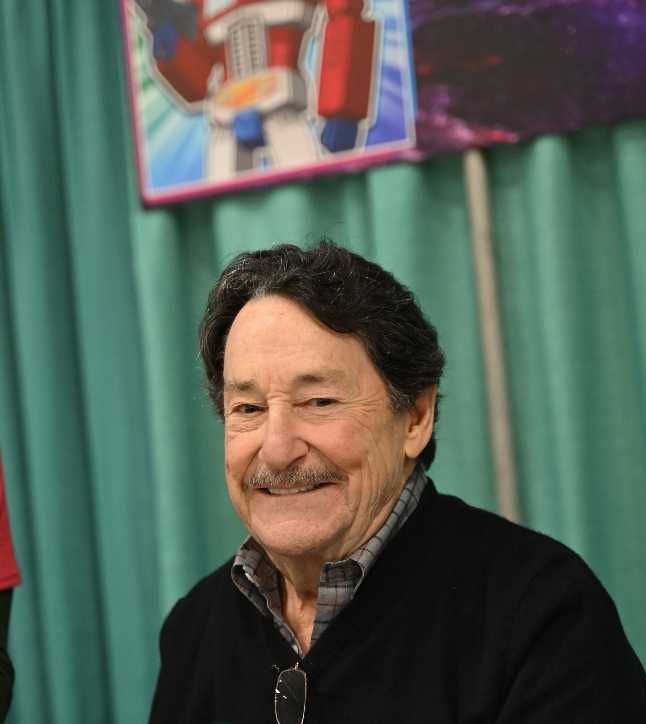
Peter Cullen and the Voice That Helped Transform a Toy into an Icon
PEOPLE
Fei Feng Talks Growing Orbio, Leading with Joy, Inspirations and More!
See more
POP's Got Talent

POP Entertainment
Randy Klimpert Shares his Ukulele Collection
POP Entertainment
Steve Casino Peanut Art

POP Entertainment
Everyone's Talking about POP!
POP Entertainment
Princess Etch - a Multi-Talented Etch A Sketch Artist
POP Entertainment
Joseph Herscher of Joseph' s Machines.
See more
Recent POPcast

Hidden Role: The Brains Behind your Favorite Games
Brent Bushnell talks Two Bit Circus, VR, & STEAM (Part 1)
Hidden Role: The Brains Behind your Favorite Games
Tim Walsh Celebrates the 30th Anniversary of Blurt!
Hidden Role: The Brains Behind your Favorite Games
Connie Vogelmann designed Apiary & Wyrmspan!

Hidden Role: The Brains Behind your Favorite Games
Bob Fuhrer... Is THE Crocodile Dentist!

Hidden Role: The Brains Behind your Favorite Games
Tom Dusenberry... Bought Atari, Wizards of the Coast, and Avalon Hill!
See more
POPDuos

POPDuos: Interviews with Legends and Leaders
POPDuo: Richard Dickson, Mattel’s President & COO, and Kedar Narayan, Young Inventor Challenge AMB

POPDuos: Interviews with Legends and Leaders
POPDuo: Will Shortz and Josh Wardle

POPDuos: Legends and Leaders Explore Creativity
POP Duo: Elan Lee, Co-Founder, Exploding Kittens.and Jeff Probst, Host and Exec Producer, Survivor
POPDuos: Legends and Leaders Explore Creativity
POP Duo: David Fuhrer, MNG Director, Blue Sq Innovations & Shawn Green, past Dodgers & Mets MLB Star

POPDuos: Legends and Leaders Explore Creativity
POP Duo: Bob Fuhrer, Founder, Nextoy and Tom Fazio, Golf Course Designer
See more
Featured Articles
The Bloom Report
Toy Inventors--The Heart and Soul of the Industry
The Bloom Report
Brian Turtle: 'Endless' Stories, Advice, Kevin Bacon and More! tBR Person of the Week
Biographies and Interviews
Jonathan Levy on Jon2.0 - from Co-Founding Mastermind Toys to Spin Master
Biographies and Interviews
Andrew Perlmutter's Journey from Glencoe to Funko with Crazy Ideas that turned out Golden
See more