The Quiet Revolution. Why American Parents Are Choosing Screen-Free Toys in 2026
by Nataliia Brytska | 23 Sep 2026
The Bloom Report

Across the United States, a noticeable shift is taking place in how families spend their evenings. After years of screen time creeping further into children's daily routines, more parents are looking for an alternative. Not strict bans, but toys that help a child put the device down on their own.
The toy industry has officially named this one of the defining trends of 2026. The Toy Association, which runs the country's largest toy trade show, Toy Fair, introduced this year's trend under the name Cozy Culture. According to their data, demand is rising for toys that feel intentional, calming, and human centered. It marks a direct shift away from the loud, fast paced toys tied closely to screens that dominated shelves for the past decade.
A response to screen time anxiety
Pediatricians and child psychologists have spent years warning about the effects of excessive screen exposure on sleep, attention, and emotional regulation in young children. What is new in 2026 is how directly parents have started acting on that advice.
I see this every day in my own work. A few months ago a mom from Texas wrote to me. She told me that every evening had turned into a fight over the tablet, and bedtime ended up with tears and shouting instead of calm. She decided to try replacing the device with a simple instant print camera, the kind that prints photos right away. The first evening felt like an experiment she didn't expect to work. But her daughter got so absorbed in printing her own photos that she asked to put the phone away the next day herself. This is not an isolated story. I hear versions of it from parents across different states almost every week.
What screen-free toys actually look like
The category spans several familiar formats, reimagined with intention.
Screen-free cameras that let kids capture memories and express creativity without a phone in hand. Instant print models have become especially popular as a genuine alternative to giving a young child a smartphone.
Sensory and light-based building sets, like magnetic tile kits, that combine hands-on STEM learning with the kind of quiet, repetitive play that naturally settles an overstimulated child.
Toys built specifically for the bedtime routine. Soft lighting, gentle sound, calming characters, designed not for daytime excitement but for the last twenty minutes before lights out.
What unites them isn't a single product type, but a design philosophy. No jarring characters, no aggressive marketing tactics, no artificial urgency. Just play that is allowed to be quiet.
Why this is more than a passing trend
Skeptics might file this under the usual toy industry cycle, nostalgia dressed up as innovation. But the numbers point to something more lasting.
According to the Toy Association, adults and parents making purchasing decisions for themselves now account for a significant share of the U.S. toy market. In 2025, 81 percent of parents planned to buy a toy for themselves as well, up from 72 percent the year before. Buying decisions increasingly hinge on emotional and developmental value rather than flash or franchise tie-ins.
A similar picture is unfolding beyond the U.S. In the UK, the term screen-free overtook educational toys as a search query for the first time during the 2025 Christmas shopping season, and the share of parents who factor in the absence of a screen when choosing a gift rose from 31 percent in 2019 to 68 percent in 2025.
When I started SleepToy, I built it around one simple idea. The more intentionally a child plays during the day, the more peacefully they sleep at night. That's not a marketing line. It's simply what parents keep telling me, and now what the industry's own data confirms as well.
The bigger picture
As American families continue to rethink their relationship with screens, the toy aisle has become an unlikely battleground for a very human question. How do we help our kids, and honestly ourselves, slow down. For now, a lot of parents are landing on a surprisingly simple answer. Fewer screens, more soft light, and a toy that no one wants to put down the moment the fun is over.
Recent Blogs


Recent Blogs
The Bloom Report
The Quiet Revolution. Why American Parents Are Choosing Screen-Free Toys in 2026
Press Release
People of Play™ Reveals 2026 Toy & Game International Excellence Award (TAGIE) Finalists
Product Launches
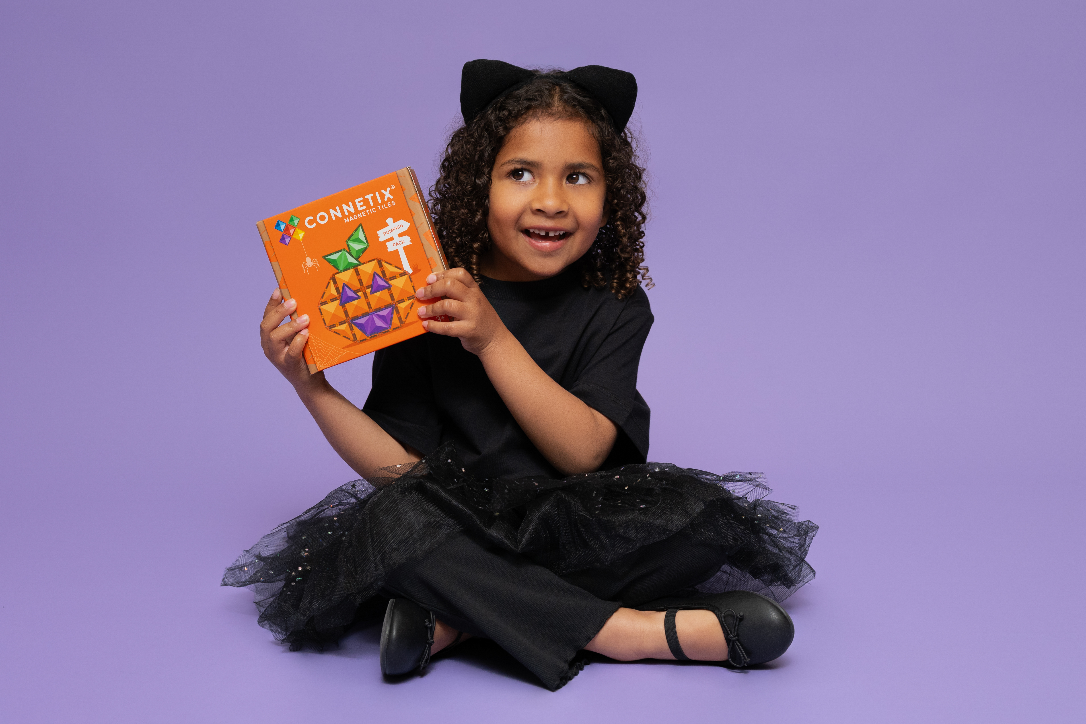
CONNETIX Unwraps a Season of Creativity with New Holiday-Themed Packs
Press Release
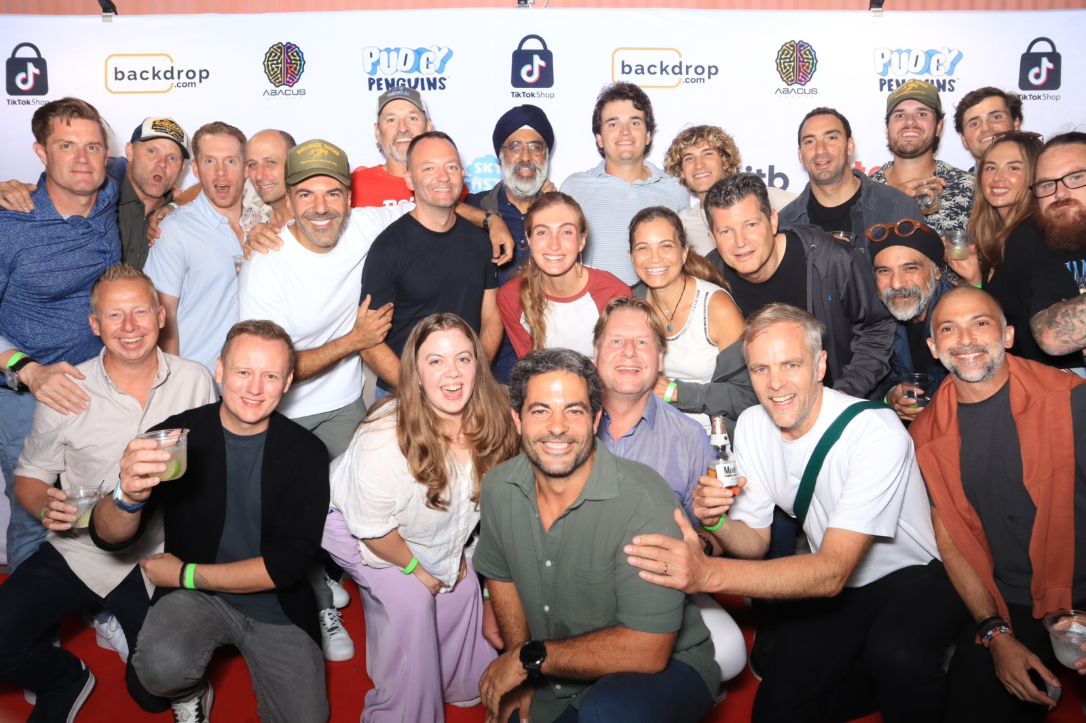
Abacus Brands Brings the Toy Community Together for 2026 The LA Showcase Official After Party

The Bloom Report
Toy Night at the Laugh Factory (2026)
See more
Recent Wiki
BOOK REVIEWS
Game Review: Yahtzee

COMPANIES
Spielwarenmesse Invitation for game authors: Registration until 15 December 2026
BOOK REVIEWS
Game Review: Peekimo

PEOPLE
Peter Cullen and the Voice That Helped Transform a Toy into an Icon
PEOPLE
Fei Feng Talks Growing Orbio, Leading with Joy, Inspirations and More!
See more
POP's Got Talent

POP Entertainment
Randy Klimpert Shares his Ukulele Collection
POP Entertainment
Steve Casino Peanut Art
POP Entertainment
Everyone's Talking about POP!
POP Entertainment
Princess Etch - a Multi-Talented Etch A Sketch Artist
POP Entertainment
Joseph Herscher of Joseph' s Machines.
See more
Recent POPcast

Hidden Role: The Brains Behind your Favorite Games
Brent Bushnell talks Two Bit Circus, VR, & STEAM (Part 1)
Hidden Role: The Brains Behind your Favorite Games
Tim Walsh Celebrates the 30th Anniversary of Blurt!
Hidden Role: The Brains Behind your Favorite Games
Connie Vogelmann designed Apiary & Wyrmspan!

Hidden Role: The Brains Behind your Favorite Games
Bob Fuhrer... Is THE Crocodile Dentist!

Hidden Role: The Brains Behind your Favorite Games
Tom Dusenberry... Bought Atari, Wizards of the Coast, and Avalon Hill!
See more
POPDuos

POPDuos: Interviews with Legends and Leaders
POPDuo: Richard Dickson, Mattel’s President & COO, and Kedar Narayan, Young Inventor Challenge AMB

POPDuos: Interviews with Legends and Leaders
POPDuo: Will Shortz and Josh Wardle

POPDuos: Legends and Leaders Explore Creativity
POP Duo: Elan Lee, Co-Founder, Exploding Kittens.and Jeff Probst, Host and Exec Producer, Survivor

POPDuos: Legends and Leaders Explore Creativity
POP Duo: David Fuhrer, MNG Director, Blue Sq Innovations & Shawn Green, past Dodgers & Mets MLB Star

POPDuos: Legends and Leaders Explore Creativity
POP Duo: Bob Fuhrer, Founder, Nextoy and Tom Fazio, Golf Course Designer
See more
Featured Articles
The Bloom Report
Toy Inventors--The Heart and Soul of the Industry
The Bloom Report
Brian Turtle: 'Endless' Stories, Advice, Kevin Bacon and More! tBR Person of the Week
Biographies and Interviews
Jonathan Levy on Jon2.0 - from Co-Founding Mastermind Toys to Spin Master
Biographies and Interviews
Andrew Perlmutter's Journey from Glencoe to Funko with Crazy Ideas that turned out Golden
See more