Jose Antonio Santana: Excerpt from "Beyond Toys. a life selling dreams" - The Last Game
by Bruce Lund | 04 Nov 2026
The Bloom Report

A final reflection inspired by Bruce Lund
As I was finishing this book, something unexpected happened.
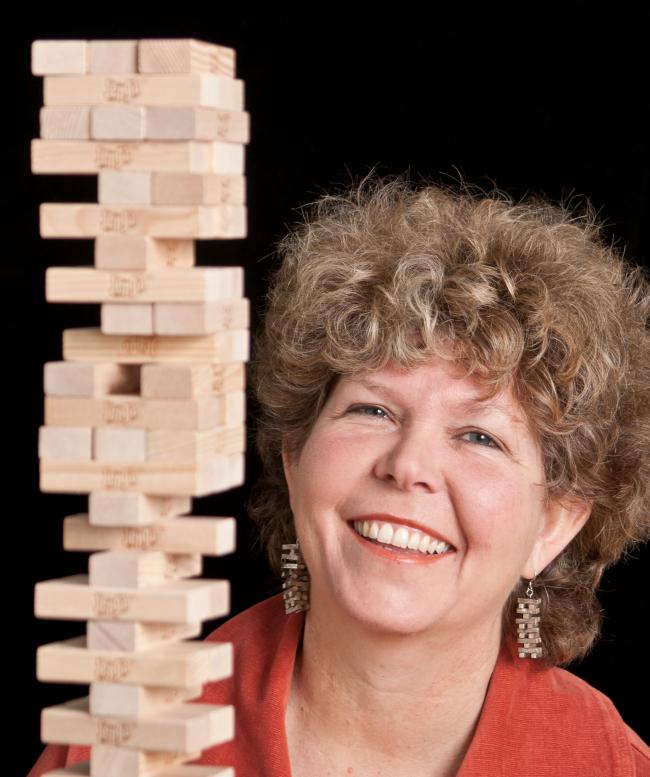
Bruce Lund, one of the most remarkable toy inventors I have known, contacted me to express his interest in the project. I invited him to share a few thoughts about creativity and where great toy ideas come from.
His response made me think about something I had perhaps understood throughout my career, but had never expressed quite so clearly.
The best toy inventors have something extraordinary in common with children: they have never forgotten how to play.
Bruce explained that when he sits down with someone to develop a new idea, he follows a simple principle: give your imagination wings.
Say whatever comes into your mind. Don’t wait until an idea is perfect. Don’t worry if it sounds ridiculous. Sometimes the most absurd suggestion becomes the beginning of something wonderful.
And suddenly, I realized that this is exactly how children play.
Watch two children inventing a game.
One says, “Let’s pretend this sofa is a spaceship.”
The other replies, “And the floor is made of lava!”
“Then we need a bridge!”
“No, a flying car!”
Within minutes, an entire universe has appeared where, moments earlier, there was only a sofa and a carpet.
Neither child stops to question whether the idea is realistic. Neither demands a business plan, a feasibility study, or proof that the game will succeed.
They simply imagine, listen, respond, and build upon each other’s ideas.
And the game becomes better with every contribution.
Bruce describes his creative sessions as a game of catch between two people. One throws an idea; the other catches it and throws something back. If either becomes distracted, the game loses its rhythm. If one stops responding, the exchange comes to an end.
Isn’t that precisely what children do when they play together?
They are not merely exchanging words. They are building a shared imaginary world, one idea at a time.
Bruce also explains that some of his most successful inventions emerged from experimenting with materials, mechanisms, and unexpected combinations.
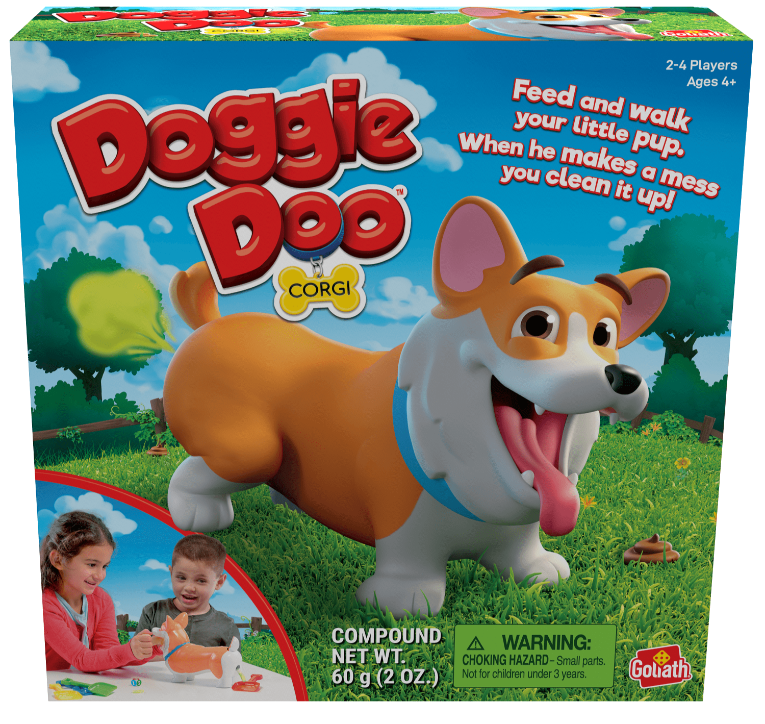
One of his creations, Doggie Doo, began with a dough-like substance, a bellows, and a piece of transparent tubing. The sound produced by that experiment suggested the toy itself.
What was he doing?
Playing.
Just as a child might combine objects without knowing what will happen, Bruce was exploring possibilities, discovering unexpected effects, and allowing curiosity to guide him.
The difference is that Bruce had the experience, technical knowledge, and determination to transform those discoveries into products.
But the creative impulse was fundamentally the same.
And perhaps this is something that adults, particularly those of us who work in business, should remember more often.
Children are not afraid of unfinished ideas.
They do not need every suggestion to be sensible.
They are willing to change the rules halfway through a game if someone proposes something more exciting.
They experiment without knowing the outcome.
They imagine things that do not exist.
And, above all, they find pleasure in the process itself.
As we grow older, we gradually learn to become more cautious. We measure risks, calculate costs, anticipate objections, and worry about failure.
All these abilities are necessary. They help us turn ideas into viable products and sustainable businesses.
But sometimes, in becoming better at evaluating ideas, we become worse at imagining them.
Bruce’s reflections reminded me that imagination and execution are two different things. First, we must allow ourselves to dream without restrictions. Then we can apply our knowledge and experience to make those dreams possible.
Perhaps the greatest inventors are not those who have abandoned their childhood imagination in favor of adult expertise.
Perhaps they are those who have managed to preserve the first while acquiring the second.
Throughout this book, I have explored how toys are conceived, developed, marketed, distributed, and transformed into successful brands. I have reflected on the changing relationship between children and their parents, the evolution of consumer behavior, and the extraordinary businesses built around the simple human desire to play.
But as I reach these final pages, Bruce’s contribution brings me back to the very beginning.
Before there is a product, there is an idea.
Before there is a brand, there is an experience.
And before there is an industry, there is a child playing.
We spend our professional lives trying to understand children. Perhaps we should also spend more time learning from them.
Because children do not play to become inventors, entrepreneurs, or business leaders.
They play because playing makes them happy.
And in doing so, they develop precisely the abilities that make imagination, innovation, and human progress possible.
After more than thirty-five years selling toys, I have come to understand that our industry has a responsibility far greater than creating successful products.
We have the privilege of helping children explore their imagination, discover possibilities, share experiences, and build memories that may accompany them for the rest of their lives.
And perhaps the greatest lesson I have learned is that play is not simply something we do during childhood.
It is something worth carrying with us throughout our lives.
Bruce Lund never stopped playing.
And perhaps that is why he never stopped inventing.
The best way to keep creating dreams is never to forget how to play.




Recent Blogs

General
Katherine Kaiser: Bop It Is Filled With Unusual But Incredible Secrets

Press Release
People of Play™ Announces Winners of 2026 Toy & Game Innovation Excellence Awards - The TAGIEs
Press Release
2027 Toy of the Year® Finalists Unveiled
The Bloom Report
Jose Antonio Santana: Excerpt from "Beyond Toys. a life selling dreams" - The Last Game
Reviews
Game Review: Mystic Moon
See more
Recent Wiki
PEOPLE
Sculpting a Galaxy: Bringing Ralph McQuarrie’s Star Wars Vision to Life
PACKAGE DESIGN, PROTOTYPES
Spin Master and Design Edge Join Forces to Create Collectible Packaging for Monster Jam x Transformers Collaboration
BOOK REVIEWS
Toy Review: Minecraft Sticki Rolls
BOOK REVIEWS
Toy Review: Sticki Mates
COMMENTARY AND OPINION EDITORIALS
Optimism Is the Foundation of Innovation
See more
POP's Got Talent

POP Entertainment
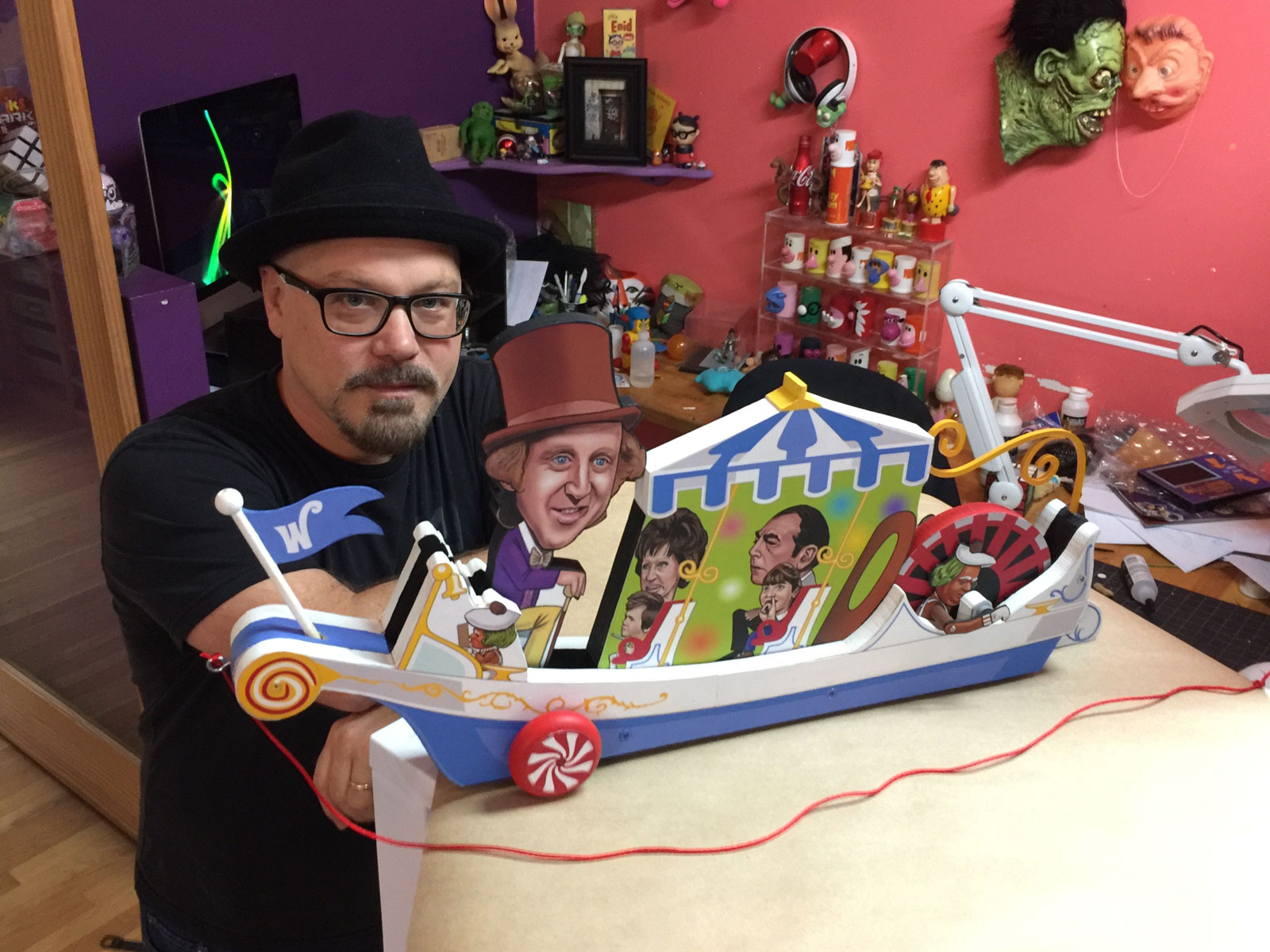
Randy Klimpert Shares his Ukulele Collection
POP Entertainment
Steve Casino Peanut Art

POP Entertainment
Everyone's Talking about POP!
POP Entertainment
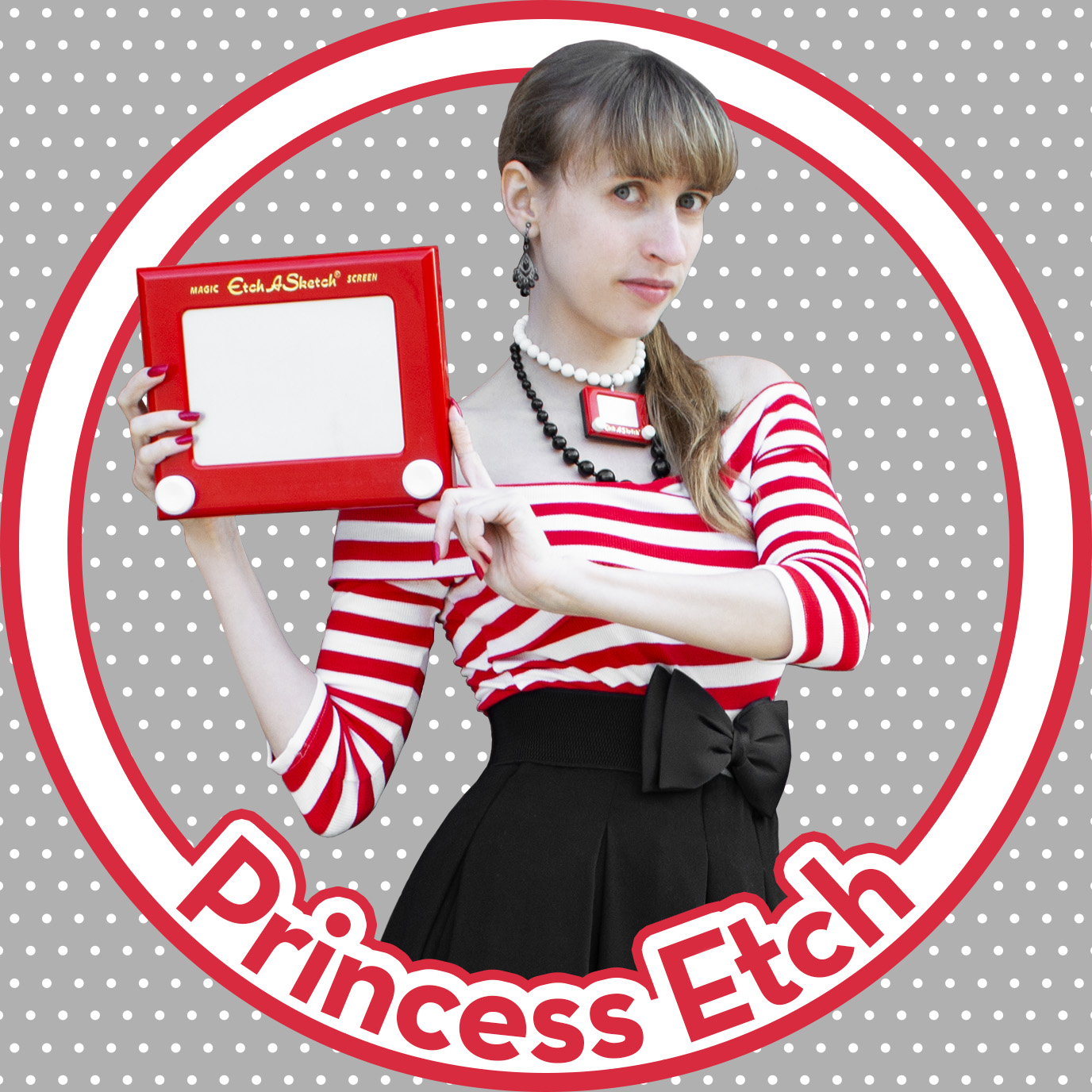
Princess Etch - a Multi-Talented Etch A Sketch Artist
POP Entertainment
Joseph Herscher of Joseph' s Machines.
See more
Recent POPcast

Hidden Role: The Brains Behind your Favorite Games
Brent Bushnell talks Two Bit Circus, VR, & STEAM (Part 1)
Hidden Role: The Brains Behind your Favorite Games
Tim Walsh Celebrates the 30th Anniversary of Blurt!
Hidden Role: The Brains Behind your Favorite Games
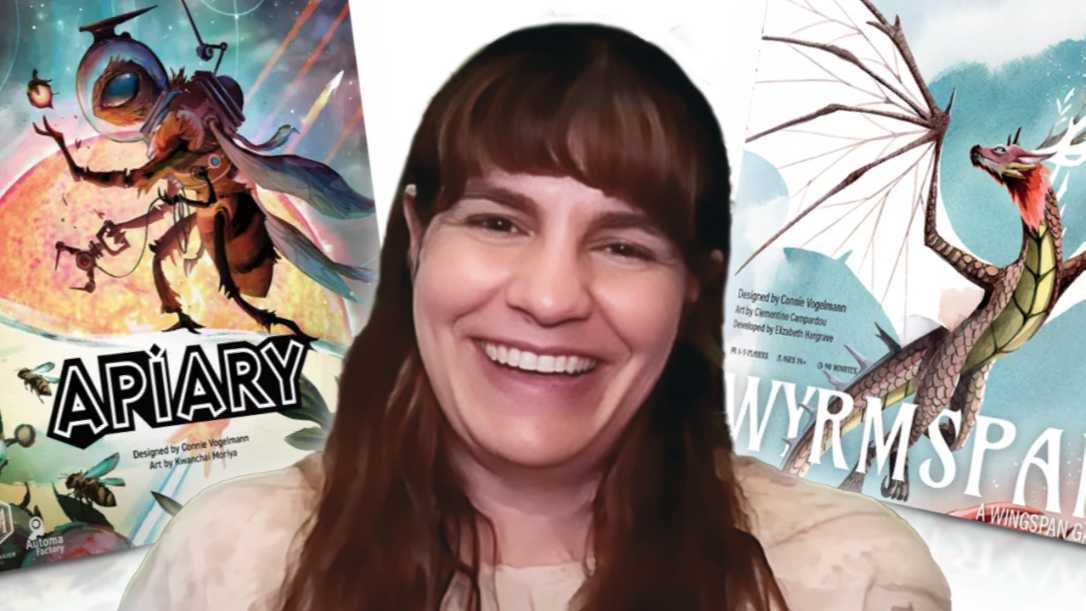
Connie Vogelmann designed Apiary & Wyrmspan!

Hidden Role: The Brains Behind your Favorite Games
Bob Fuhrer... Is THE Crocodile Dentist!

Hidden Role: The Brains Behind your Favorite Games
Tom Dusenberry... Bought Atari, Wizards of the Coast, and Avalon Hill!
See more
POPDuos

POPDuos: Interviews with Legends and Leaders
POPDuo: Richard Dickson, Mattel’s President & COO, and Kedar Narayan, Young Inventor Challenge AMB

POPDuos: Interviews with Legends and Leaders
POPDuo: Will Shortz and Josh Wardle

POPDuos: Legends and Leaders Explore Creativity
POP Duo: Elan Lee, Co-Founder, Exploding Kittens.and Jeff Probst, Host and Exec Producer, Survivor
POPDuos: Legends and Leaders Explore Creativity
POP Duo: David Fuhrer, MNG Director, Blue Sq Innovations & Shawn Green, past Dodgers & Mets MLB Star

POPDuos: Legends and Leaders Explore Creativity
POP Duo: Bob Fuhrer, Founder, Nextoy and Tom Fazio, Golf Course Designer
See more
Featured Articles
The Bloom Report
Toy Inventors--The Heart and Soul of the Industry
The Bloom Report
Brian Turtle: 'Endless' Stories, Advice, Kevin Bacon and More! tBR Person of the Week
Biographies and Interviews
Jonathan Levy on Jon2.0 - from Co-Founding Mastermind Toys to Spin Master
Biographies and Interviews
Andrew Perlmutter's Journey from Glencoe to Funko with Crazy Ideas that turned out Golden
See more